The History and Uniqueness of Litchi
Litchi’s Singular Nobility
An imperial delicacy cherished by emperors throughout Chinese history
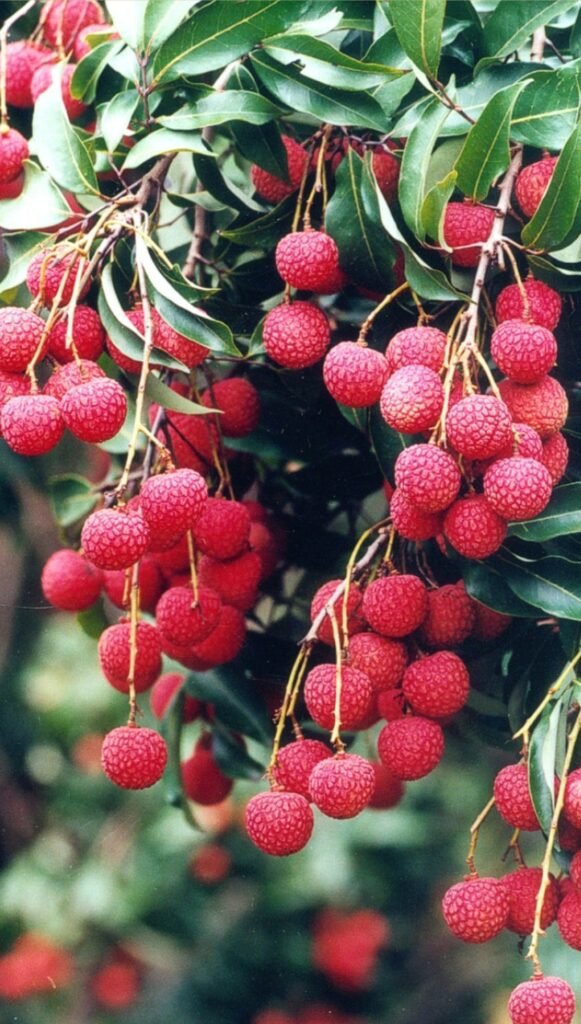
Litchi, a rare and treasured fruit from Lingnan, has been steeped in legend since ancient times. Also known as “Li Zhi” (literally “leaving the branch”), it is notoriously difficult to preserve once picked:
“One day, its color fades; two days, its flavor changes; three days, both aroma and taste are gone.”
Uniquely, litchi is the Chinese fruit whose name contains the most instances of the character “力” (strength), symbolizing its rich nutritional value. For centuries, it was revered as a royal tribute, reserved exclusively for the imperial court.
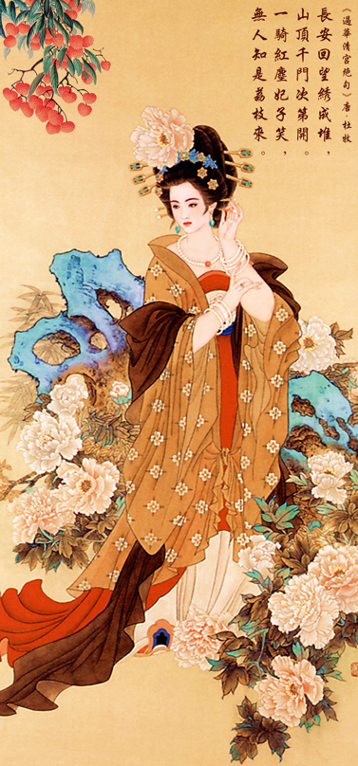
Legend has it that during the Tang Dynasty, Empress Yang Guifei suffered from an unpleasant body odor. It was only after bathing in litchi-infused wine at the Huaqing Palace that her condition was cured—thus inspiring the tale of “Guifei Drunk on Litchi Wine.”
Beyond the famous verse:
“A single rider in red dust—none knew it was litchi she desired,”
countless poets and scholars have praised the fruit, earning it the title “King of Fruits.”
The tradition of offering litchi to royalty dates back over 2,000 years, beginning with Emperor Gaozu of Han, when the King of Nanyue presented him with shark meat and litchi. Today, litchi remains unmatched—not only in color, aroma, and flavor, but also in nutritional benefits and cultural heritage.
It is this profound legacy that forms the foundation of our Litchi Brandy, a spirit born of history, elegance, and excellence.
Litchi Production and Distribution
- Maoming, China:
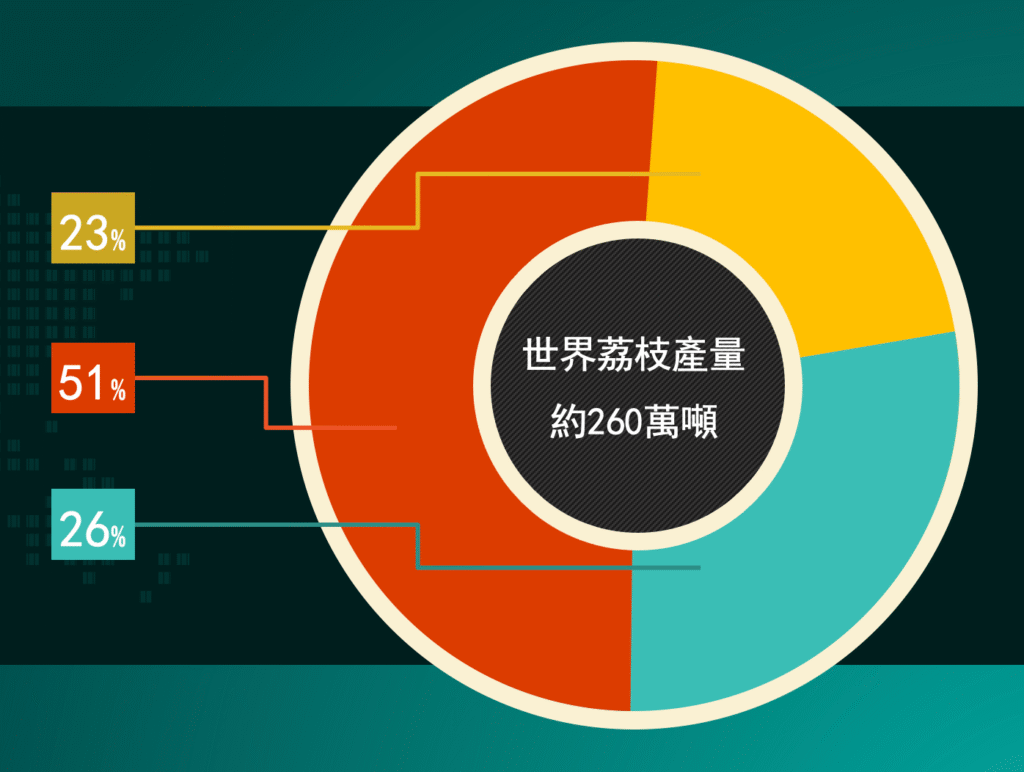
Produces approximately 500,000 tons of litchi annually, accounting for nearly the entire combined output of all other litchi-producing countries (23% of global production). - Other Regions in China:
Combined production from other provinces and cities in China reaches around 1.4 million tons, representing 51% of global output. - Other Countries Worldwide:
Total litchi production outside China is approximately 700,000 tons, with generally lower-quality varieties, contributing 26% to global production.
Nutritional Benefits of Litchi
Rich in Nutrients
Ancient Trees, Exceptional Fruit
Renowned winemakers around the world agree: the older the fruit tree, the deeper its roots and the richer its nutrient absorption from the soil. This leads to higher-quality fruit, which in turn produces better wine.
- Grapevines over 10 years old are rare in wine production.
- In contrast, litchi trees commonly exceed 20 years, and in Maoming, China, there are four historic imperial litchi orchards with trees over 500 years old.
- Some ancient trees in Maoming’s Gongyuan orchards are even 1,300 to 1,500 years old, making litchi a truly premium raw material for fruit wine.
Nutritional Richness of Litchi
Litchi is not only prized for its flavor but also for its dense nutritional profile:
- Fructose & Glucose: Natural sugars that provide quick energy
- Dietary Fiber: Supports digestion and gut health
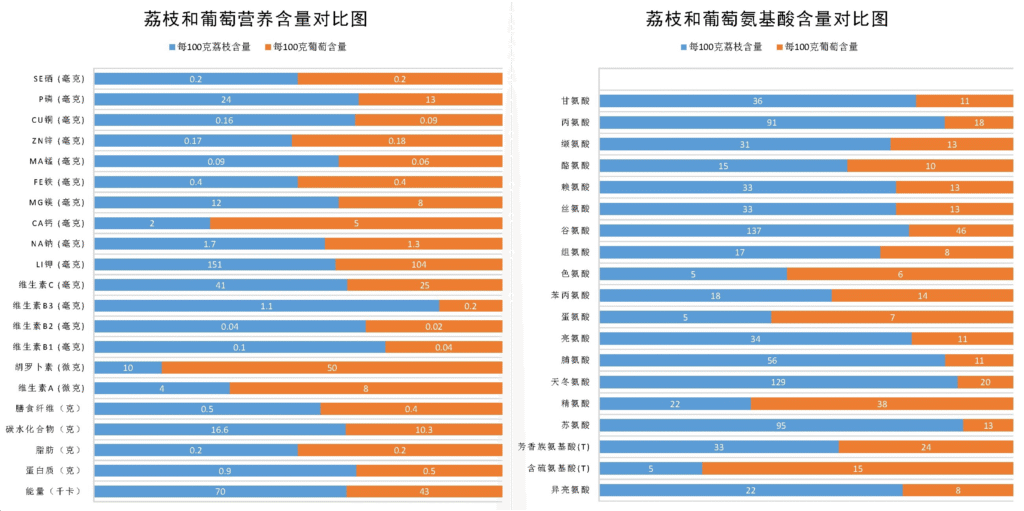
- Protein: Rare among fruits, contributes to satiety and metabolism
- Vitamins: Especially rich in Vitamin C, plus B-complex vitamins
- 17 Amino Acids: Including essential ones for human health
- Minerals & Trace Elements: Potassium, magnesium, copper, iron, and more
Health Benefits of Litchi
Dietary Materia Medica by Meng Shen (Tang Dynasty) | – Enhance intelligence
– Strengthen vital energy |
Daily Materia Medica by Wu Rui (Yuan Dynasty) | – Generate bodily fluids
– Disperse stagnant Qi of intangible nature |
Compendium of Materia Medica by Li Shizhen (Ming Dynasty) | Regular consumption of litchi can nourish the brain and strengthen the body, treat miasma-related illnesses and abscesses, stimulate appetite and benefit the spleen. Dried litchi products replenish vital energy and serve as a tonic for postpartum women and the elderly. |
Explanation of Medicinal Substances by Huang Yuanyu (Qing Dynasty) | – Warmly tonifies
– Spleen essence – Gently nourishes – Liver blood |
Essentials of the Medical Forest by Wang Fu (Qing Dynasty) | – Tonify the lungs and calm the mind
– Harmonize the spleen and stimulate the stomach – Treat cold-induced epigastric pain – Alleviate pain caused by stagnation of qi and blood |